


Read an exclusive extract from The Farm, the most exciting debut of 2025!
The sickness reminds me of my mother’s before she died. I vomit three times a day. As I scrub the toilet bowl or the bathroom basin, I recall her yellowing face. I can’t keep down the essentials – food, water, not even painkillers. Simple words like milk or keys are struggled for and not found. I’m bloated, constipated, exhausted.
I look down at the plastic stick and feel relief: I’m pregnant. Pregnancy isn’t death, it’s celebration, but I receive the news in a quiet way, just as I did when my mother told me she was ill. I wrap the test in layers of toilet paper then bury it in the bottom of the bathroom bin, piling empty toilet rolls, dirty tissues and hair pulled from my brush over the top of it. I won’t tell James yet; not until it’s definite.
I walk into the bedroom and pick up my phone. The medical clinic finds me an appointment for tomorrow, a small miracle.
*
The general practitioner is a woman I’ve now met a handful of times. She scans my blood test results.
‘You’re pregnant, Leila. Congratulations.’
I laugh a little; the diagnosis doesn’t feel real. It seems like a dream, one James and I thought might take much longer to come true. The doctor gathers pamphlets, glossy and colourful, and hands them to me. The one on top has an image of a heavily pregnant woman and a list of safe foods to eat, each approved with a garish tick – safe, because there is danger in my condition. I swallow a burning sensation in the back of my throat and check the room for any kind of receptacle, just in case.
Our appointment is only ten minutes, and the doctor is swift; she issues instructions about blood tests, scans, timeframes, and asks whether I will go public or private. I set the pamphlets aside and confirm that yes, I have private health insurance. She asks if I have a preferred obstetrician. I don’t know the names of any obstetricians. Am I supposed to? A week ago, I didn’t know I was pregnant, I just thought I was dying.
‘Is this good news?’ the doctor asks, finally.
I nod and nod and nod. ‘Why wouldn’t it be?’ Then I add, to make sure: ‘I’m thrilled.’
This is what I want. It’s not cancer, a thing that shadows you and then scrapes you out from the inside. I am not my mother. And yet, anxieties of a different kind tumble forth: what kind of mother will I be? Will I be any good? My career could suffer. Don’t women with children lose half their superannuation? I read that somewhere. James will want to move – somewhere bigger, more appropriate for a growing family. More expensive. My chest is tight. I thumb the buckle of my already-snug jeans; soon they won’t fit at all. I know I’ll resent feeling frumpy in pants with a rubbery, elastic waistband.
‘Folate and iron every day and a dating scan at nine weeks. Dr Nikolaou is an excellent obstetrician; I highly recommend him.’
I take the referral letter and smile, rising to leave. Darker questions gnaw at me: what if something goes wrong? What if I am the thing that goes wrong?
-
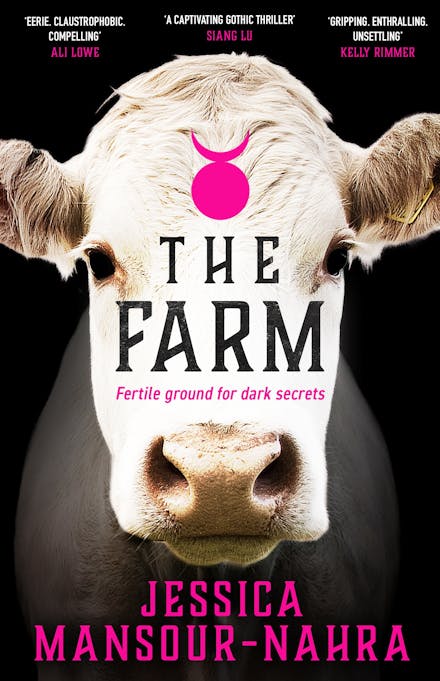
The acclaimed bestseller from a stunning new Australian talent: The Farm ripples with the Gothic undertones of Rebecca and enthrals from the very first page.


Find a book you'll love, get our newsletter
Hachette Australia acknowledges and pays our respects to the past, present and future Traditional Owners and Custodians of Country throughout Australia and recognises the continuation of cultural, spiritual and educational practices of Aboriginal and Torres Strait Islander peoples. Our head office is located on the lands of the Gadigal people of the Eora Nation.

This site is protected by reCAPTCHA and the Google Privacy Policy and Terms of Service apply.
© Hachette Australia, All Rights Reserved · Site by Chook