

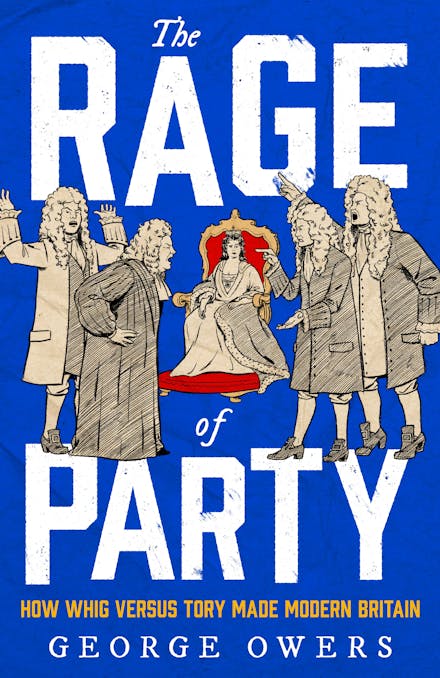


The Rage of Party
Formats & Editions


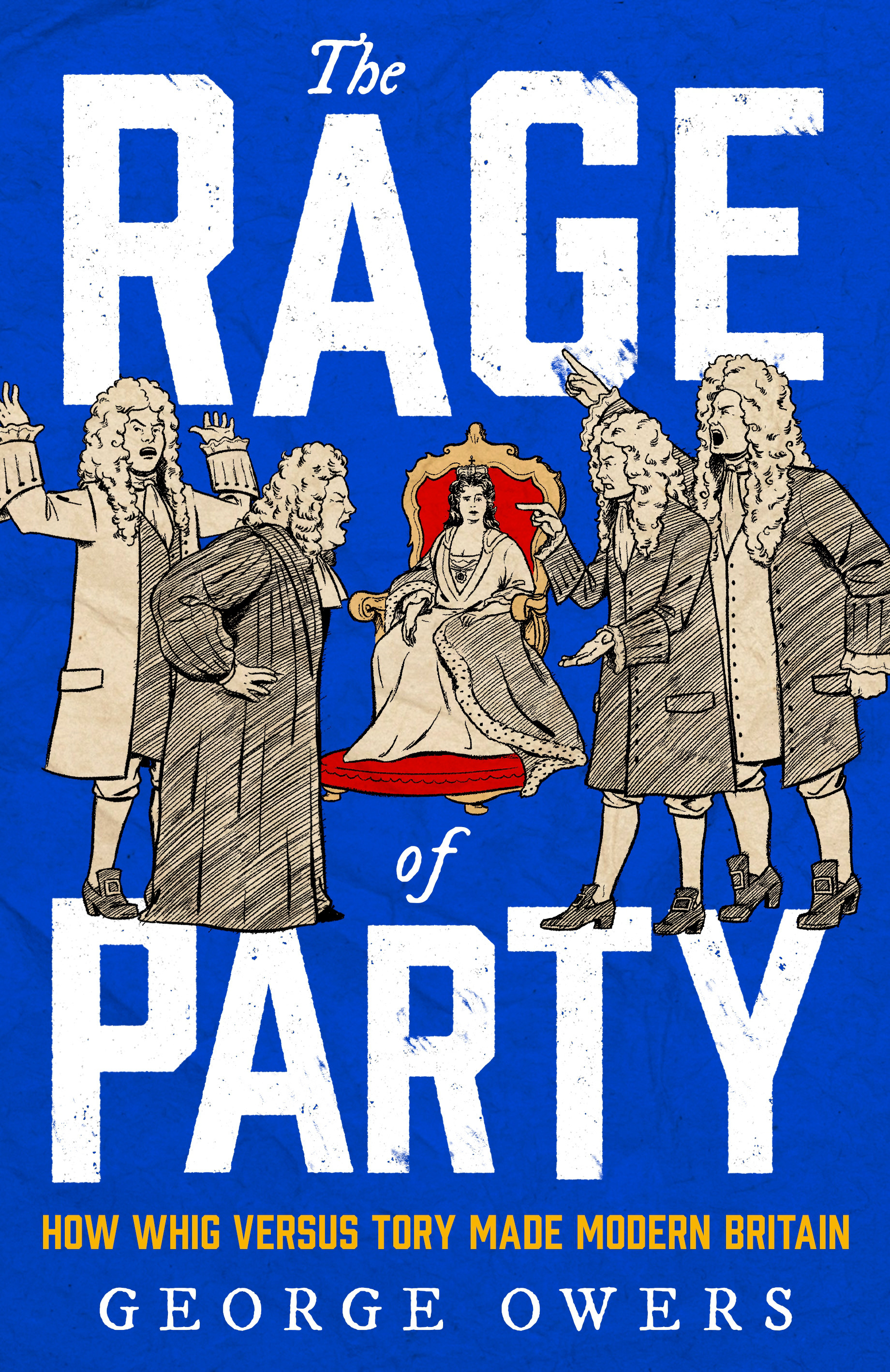
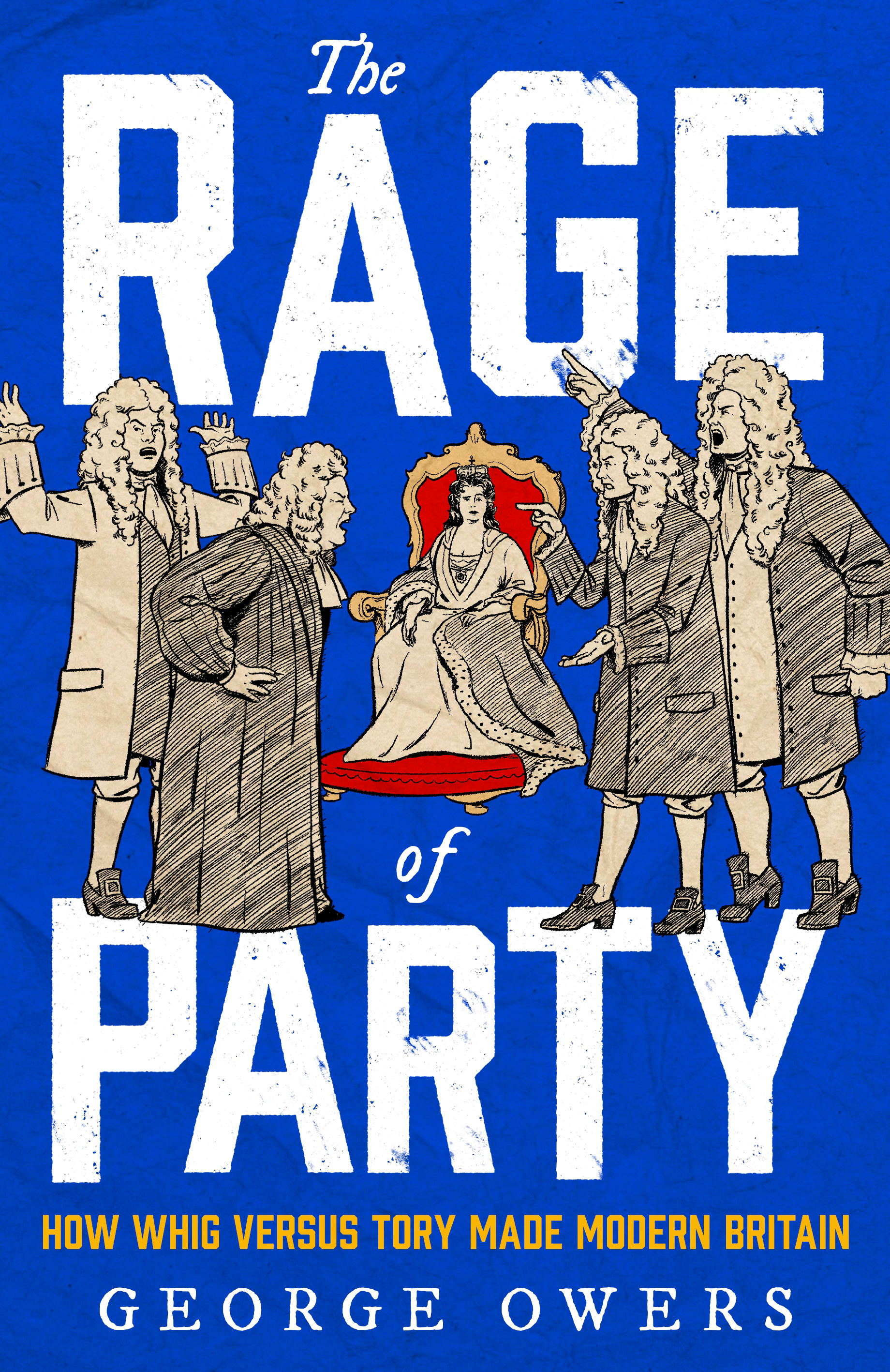
THE TIMES HISTORY BOOK OF THE YEAR 2025
A CAPX AND ENGELSBERG IDEAS BOOK OF THE YEAR 2025
The late 17th century saw the rise of a new phenomenon that would transform Britain forever: party politics.
Beginning with a furious dispute over whether to allow a Roman Catholic - James II - to become king, the division between Whig and Tory marked the chief political battlelines of a ferociously polarised country for several tumultuous generations.
The Rage of Party traces the thrilling story of how these two parties - one representing the established social forces of squire, church and monarchy; the other the rising forces of financial power and Protestant Dissent - settled the defining debates of the age, culminating in a dramatic fight to the death over peace, piety and the Protestant Succession in the age of Queen Anne. Their bitter disputes over religion, economics and the constitution profoundly influenced many of the forces and institutions that shaped the modern world, ranging from the City of London and the Bank of England to the Union between England and Scotland and the British Empire.
From vicious pamphlet wars and some of history's most corrupt and riotous elections through a revolution, multiple assassination attempts and enough scandals to make even the most louche modern politician blush, this brilliantly researched book shows how a motley crew of rakes, hypocrites, cunning tricksters and scheming clergymen engaged in not only a political confrontation that threatened a second civil war, but a culture war that still finds echoes in 21st-century Britain.
'This is a lucid and exciting account of high and low politics in the crucial years of Whig and Tory battles following the Glorious Revolution, when Great Britain was created, and a new world of money, war and empire dawned. George Owers grippingly recounts the culture wars, paranoia, self-seeking and skulduggery that are "both recognisable and strange". Recognizable because "we are all still, in our heart of hearts, either Whig or Tory", and we are still grappling with their legacy' - Robert Tombs, author of The English and their History
'This book is a delight. Written with vivacity and veracity it sheds light on the miracle of English party politics' - Maurice Glasman
'We tend to think of our current age as uniquely fractious but as George Owers shows in his engrossing new book, it is a kindergarten compared to the "Rage of Party'' this country experienced in the late seventeen and early eighteenth centuries. The story he tells so vividly has it all: political divisions, religious strife, immigration controversies, fake news, arguments over foreign policy, Anglo-Scottish te
Find a book you'll love, get our newsletter
Hachette Australia acknowledges and pays our respects to the past, present and future Traditional Owners and Custodians of Country throughout Australia and recognises the continuation of cultural, spiritual and educational practices of Aboriginal and Torres Strait Islander peoples. Our head office is located on the lands of the Gadigal people of the Eora Nation.

This site is protected by reCAPTCHA and the Google Privacy Policy and Terms of Service apply.
© Hachette Australia, All Rights Reserved · Site by Chook