


It seems we are facing an anxiety epidemic. Why are we stressed and feeling burnt out? And, more importantly, what can we do to resolve that?
Dr Norman Swan is one of our leading health physicians and a much-respected broadcaster. In his new book So You Think You Know What’s Good for You? Norman replaces medical myths, half-truths, and misconceptions with the information you need to make better decisions about how to eat, sleep and how to live. This informative and entertaining new read is for everyone – be it grandparents, parents or millennials as it demystifies how to achieve good health and wellness in the modern age.
And we need Dr Swan’s advice! It seems we are facing an anxiety epidemic. Our addiction to social media is helping create a hustle culture and setting us up to be dissatisfied with our lives when we shouldn’t be. Why are we stressed and feeling burnt out? And, more importantly, what can we do to resolve that?
Stress vs Distress
A certain amount of stress is normal. However, distress is not. Nor are chronic, unrelenting feelings of being put upon and having too little freedom to make your own decisions about work and life. Stress is not a badge of honour, and thinking about it like this is troubling. Generally, our mental wellbeing is more stable when we feel in control rather than feeling that external forces and events direct how we live and work. This is called our locus of control and the more we can determine of our lives ourselves, the better.
The effects of stress
Chronic stress has a significant physiological effect on the body. It can result in high levels of cortisol (hypercortisolemia) which can harm almost all our organs, including our immune system. Moreover, there is a known correlation between chronic stress and anxiety, but there is also evidence it can contribute to heart attacks, strokes and perhaps even diabetes and cancer. So controlling your life and controlling your decisions will help you control your health.
Body image
Yet another aspect of our mental health is our relation to our bodies and, in particular, our body image. With the rise of influencer culture on social media it can be easy to put images of idealised male and female bodies on a pedestal. These contrived ideals drive women to overvalue thinness and men to overvalue being lean and muscular. We tend to think of eating disorders as primarily affecting young women but, in fact, it’s likely that a third of people with abnormal eating patterns are male. The male pattern tends to be more about bulking up and having low body fat so men can show off their oversized muscles.
-
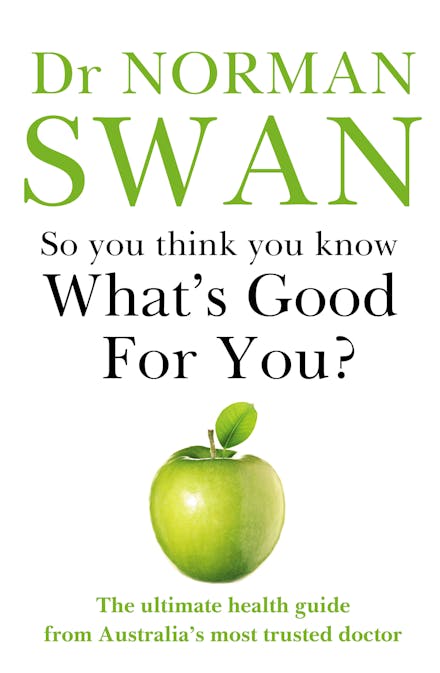 Informative, accessible and easy to understand, So You Think You Know What's Good for You? has everything you need to know about health and wellbeing, delivered with Dr Norman Swan's trademark clarity and wit.


Find a book you'll love, get our newsletter
Hachette Australia acknowledges and pays our respects to the past, present and future Traditional Owners and Custodians of Country throughout Australia and recognises the continuation of cultural, spiritual and educational practices of Aboriginal and Torres Strait Islander peoples. Our head office is located on the lands of the Gadigal people of the Eora Nation.

This site is protected by reCAPTCHA and the Google Privacy Policy and Terms of Service apply.
© Hachette Australia, All Rights Reserved · Site by Chook